Preventing Allergens, Mold, and Odors: Pro Tips for a Healthier Home or Office Carpet
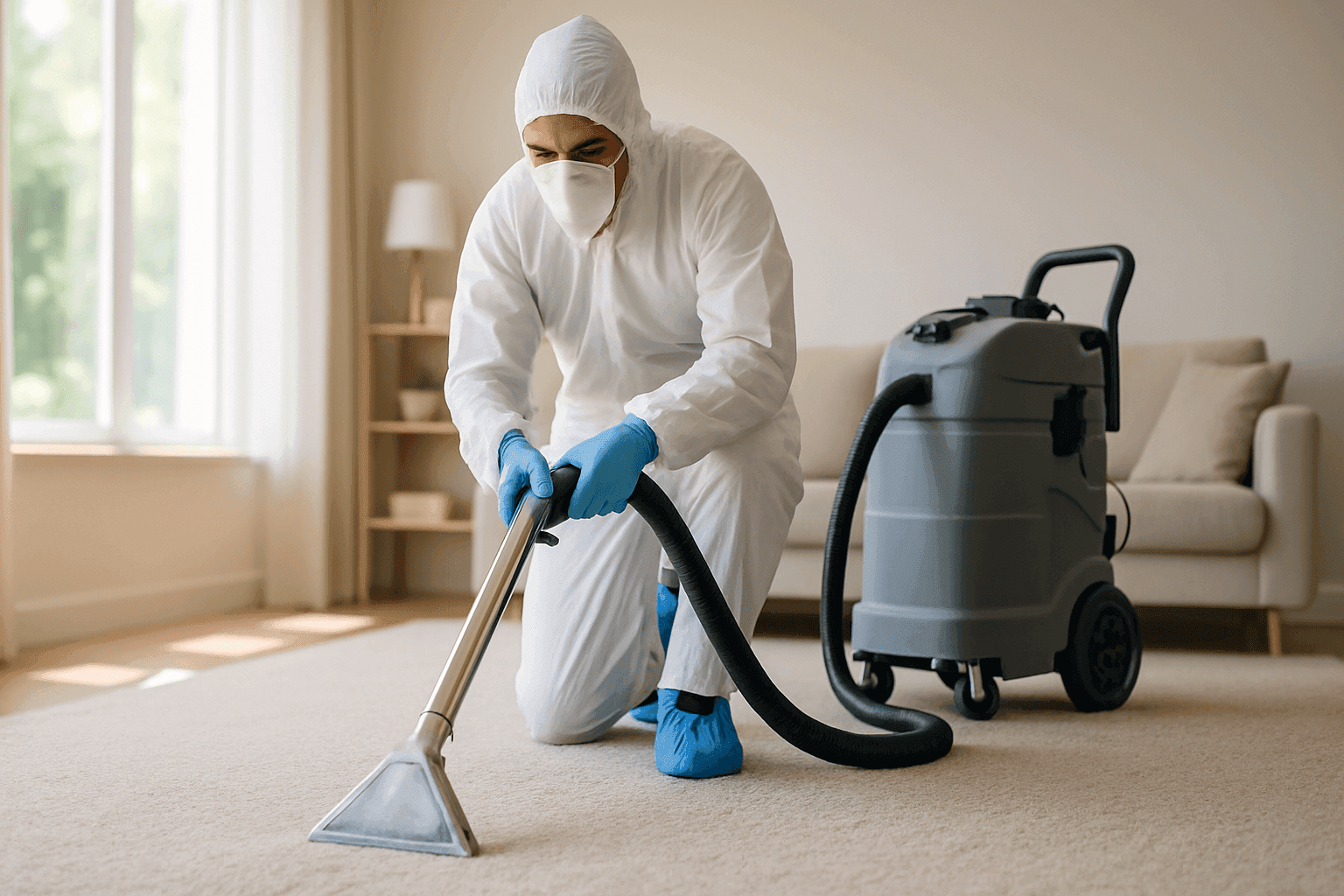
When it comes to the air you breathe at home or in the office, carpets are like the lungs of your space. They collect dust, trap allergens, and sometimes even hide unwanted odors or mold. For families, workers, and especially anyone with allergies, this can matter more than you think.
At May's Carpet Care, we’ve seen firsthand how a clean carpet can transform a room—not just in looks, but in how you feel. Let’s dig into the practical, science-backed ways to keep your carpets fresh, healthy, and inviting year-round.
Why Carpets Can Harbor Allergens and Microbes 🦠
Carpets are cozy underfoot but, like a thick forest, they catch nearly everything that passes by. Dust mites, pollen, pet dander, bacteria—even mold spores—can settle deep into the fibers. According to the Environmental Protection Agency (EPA), indoor air quality is influenced by what’s trapped in your carpets.
Here’s what can happen if allergens and microbes build up:
- Allergy flare-ups: Sneezing, coughing, and itchy eyes become more common.
- Asthma triggers: Mold and dust mites are notorious for provoking asthma symptoms.
- Musty odors: Persistent smells can linger, especially in damp or poorly ventilated spaces.
- Mold growth: Excessive moisture plus organic debris can invite dangerous mold (CDC warns this can affect respiratory health).
Carpets don’t have to be a problem. With smart maintenance, they can stay an asset.
Quick Safety Checklist for Carpet Health
Want a healthier carpet? Start here:
- Vacuum at least once a week (twice for high-traffic or pet areas)
- Address spills and stains immediately
- Keep humidity below 50% (per EPA guidelines)
- Use entry mats at doorways
- Schedule professional carpet_cleaning every 6–12 months
- Inspect for water damage regularly
- Choose cleaning products labeled “hypoallergenic” or “low-VOC”
- Air out rooms after cleaning
Tick off these basics, and you’re already ahead of the curve.
DIY vs. Call a Pro: When to Handle It Yourself
You can do a lot with the right vacuum and a good habit. But sometimes, a job needs more muscle.
DIY is usually enough when:
- The problem is surface dirt and routine dust.
- Stains are fresh and small.
- You’re maintaining, not fixing, your carpet.
Call May’s Carpet Care if:
- Odors linger after vacuuming.
- You spot visible mold, or the carpet feels damp underneath.
- Allergies worsen despite regular cleaning.
- There’s been water damage or flooding (the CDC and IICRC recommend immediate professional attention).
Think of it like car maintenance. Regular washing is fine, but you’d see a mechanic for engine trouble.
What Pros Do On Arrival
So, what happens when a professional carpet_cleaning team arrives?
- Inspection: We check for stains, signs of mold, pet accidents, or water damage.
- Moisture Testing: Using industry-standard meters, we assess for hidden dampness.
- Stain & Odor Analysis: Not all smells are the same—some need enzyme treatments, others require deep extraction.
- Allergen Removal: Industrial-grade vacuums and HEPA filters capture what home vacuums miss.
- Steam Cleaning near you: High-temperature steam kills dust mites, bacteria, and mold spores.
- Eco-Friendly Options: We offer low-VOC and hypoallergenic cleaning solutions for sensitive environments.
- Carpet Stretching or Repair: If needed, to restore flatness and safety.
Our technicians regularly update their training per IICRC and CDC recommendations, so your carpet receives the safest, most advanced care.
Prevention & Maintenance: Actionable Tips for Healthier Carpets
Keeping your carpets healthy isn’t just about cleaning—it’s about habits.
Regular Vacuuming Schedules
- Vacuum weekly in low-traffic spaces.
- Twice weekly for homes with pets or kids.
- Use a vacuum with a HEPA filter for maximum allergen removal.
A vacuum is your first shield against dust and dander. Think of it like brushing your teeth—regularity matters more than intensity.
Proper Moisture Control
- Use dehumidifiers in damp basements or humid climates.
- Always dry carpets thoroughly after cleaning or spills.
- Install moisture barriers in areas prone to leaks.
Moisture is the enemy of healthy carpets. Like rain in a tent, it seeps in and causes trouble if ignored.
Prompt Stain Treatment
- Blot, don’t rub, spills instantly.
- Use a mild, hypoallergenic cleaner.
- For tough stains, call for professional stain removal—don’t let them set!
When to Consider Professional Allergen or Mold Remediation
- If family members develop chronic allergies or asthma symptoms at home.
- After any water leak, flood, or visible mold growth.
- In commercial spaces with persistent musty odors.
The Centers for Disease Control and Prevention (CDC) recommend professional mold remediation for any visible growth or after water events.
Choosing Hypoallergenic and Eco-Friendly Cleaning Products
Not all cleaning products are created equal. Many contain harsh chemicals or fragrances that irritate sensitive noses.
Look for:
- “Green Seal” or “EPA Safer Choice” certifications
- Products marked “hypoallergenic” or “fragrance-free”
- Low-VOC formulas
At May’s Carpet Care, we proudly offer eco-friendly cleaning options safe for kids, pets, and anyone with allergies. It’s better for your carpet—and your air.
Special Tips for Pet Owners and High-Traffic Commercial Spaces
Pet Owners:
- Groom pets regularly to reduce shedding.
- Clean up accidents promptly to prevent odors and staining.
- Use enzyme-based cleaners for urine spots.
Commercial Spaces:
- Increase vacuuming to daily in lobbies and hallways.
- Schedule deep cleaning quarterly (or more) for high-traffic areas.
- Invest in entrance mats to trap dirt before it reaches the carpet.
- Consider carpet protection treatments to reduce future staining.
A little extra attention goes a long way, especially where paws or shoes are constantly on the move.
Costs & Time Factors: What to Expect
Every carpet and situation is unique, but here’s what typically affects cost and timing:
- Carpet size: Larger spaces take longer.
- Level of soiling: Heavily soiled or stained carpets require more time and specialized products.
- Type of service: Steam cleaning, deep cleaning, and mold remediation each have different timeframes.
- Emergency services: Faster response may add to the cost, but can save your carpet from permanent damage.
Most residential carpet_cleaning jobs take 1–3 hours (plus drying time). Commercial projects or water damage restoration may require additional visits.
When It’s an Emergency
Some situations can’t wait. If you notice:
- Standing water on the carpet
- A sudden, strong musty odor
- Visible mold patches
- Severe allergic reactions among building occupants
Don’t delay. According to the Institute of Inspection Cleaning and Restoration Certification (IICRC), prompt professional action is critical to prevent health risks and permanent damage.
Frequently Asked Questions
Q: How often should I have my carpets professionally cleaned?
A: For most homes, every 6–12 months. More often for pets, allergies, or heavy traffic.
Q: Will steam cleaning remove all allergens?
A: Steam Cleaning near you can eliminate up to 99% of dust mites and many allergens, but regular vacuuming is still necessary.
Q: Can moldy carpets be saved?
A: Sometimes, if the mold is caught early and treated properly. Severe infestations may require replacing the affected carpet and padding.
Q: Are your cleaning products safe for kids and pets?
A: Yes! We offer a range of hypoallergenic and eco-friendly solutions.
Local and Seasonal Considerations
Seasonal changes impact indoor air and carpet health. Spring pollen, summer humidity, autumn leaves, and winter slush can all introduce new challenges. In humid climates or during rainy seasons, watch for increased moisture and schedule more frequent checks.
Offices and homes alike benefit from proactive care, especially before or after allergy season. If you’re unsure, our team can recommend a custom plan for your unique space.
Ready for a fresher, healthier home or office?
Call May's Carpet Care now — or reach us anytime at 888-885-6853 .