Emergency Carpet Cleaning: What to Do When Water Damage Strikes
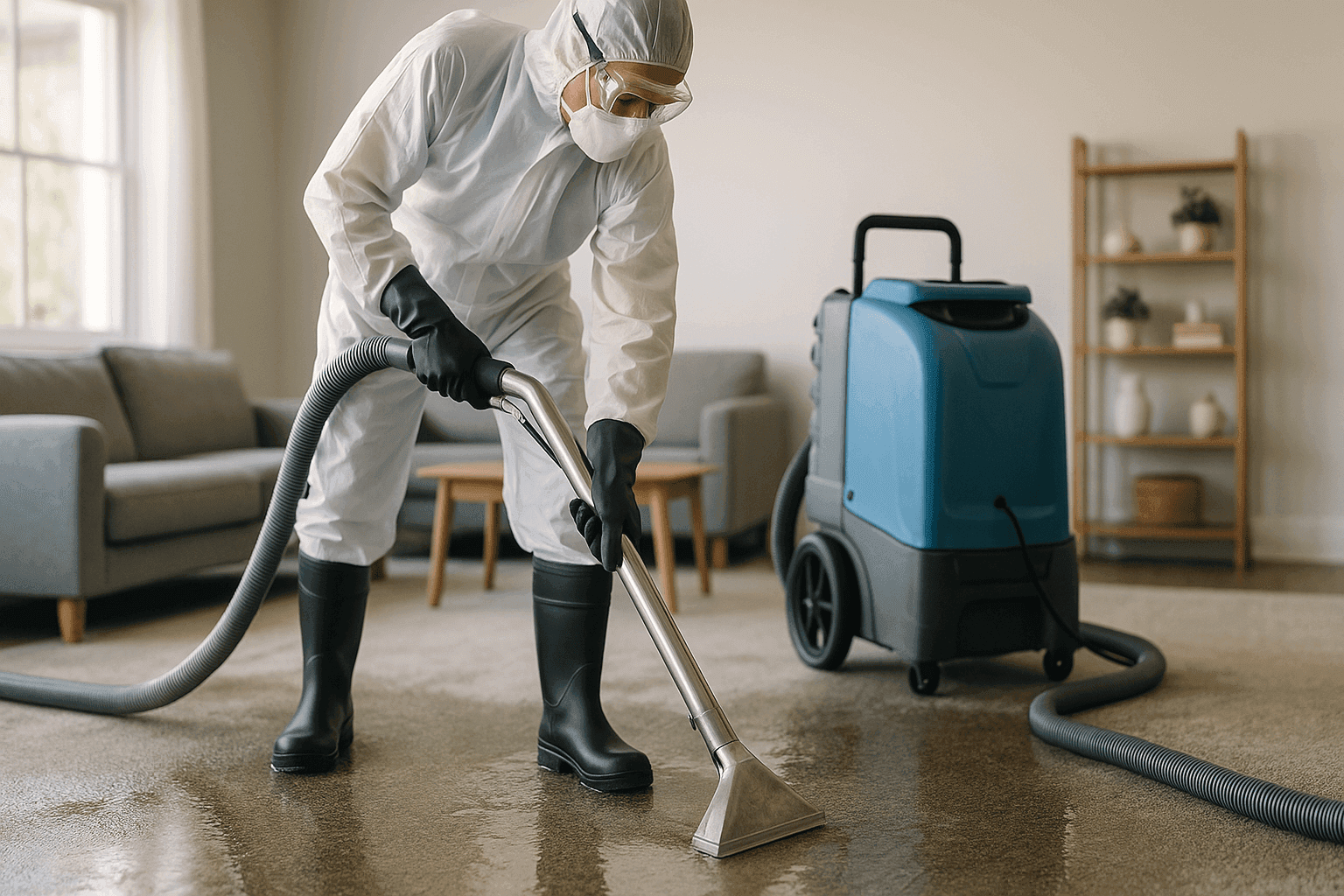
Imagine waking up to the squish of soaked carpet under your feet. Maybe a pipe burst overnight. Or a heavy storm flooded your office. In moments like these, panic is normal. But what you do next will shape how much damage—and stress—you face.
At May’s Carpet Care, we’ve seen water transform beautiful carpets into breeding grounds for mold and bacteria in less than 48 hours. Immediate action saves time, money, and your property’s health.
Why Waiting Makes Things Worse: The Hidden Risks of Water-Damaged Carpet 🕒
Water and carpet are like oil and a lit match. They just don’t mix. Delaying cleanup after a leak, flood, or spill lets problems multiply:
- Mold and mildew can sprout in as little as 24–48 hours (CDC).
- Wet padding and subflooring may warp, rot, or become infested with bacteria.
- Lingering moisture can lead to foul odors, permanent stains, and ruined carpet fibers.
- Foundation and structural wood beneath carpeting can weaken if left wet.
Ignoring water damage is like letting a small campfire burn unchecked in your living room. The longer you wait, the harder (and more expensive) it is to fix.
Your Quick Safety Checklist
Before you leap into action, take a breath and work through these steps to protect yourself and your space:
- Turn off power to affected areas. Water and electricity don’t mix—ever (NFPA fire safety guidelines).
- Stop the water source if you can. Shut off pipes, block rain entry, or contain spills.
- Avoid contact with standing water, especially if it’s from sewage or flooding.
- Move valuables, rugs, and electronics to dry ground.
- Wear gloves and boots if entering damp areas—protect against bacteria and sharp objects.
Emergency Carpet Cleaning: What To Do Right Away
1. Stop the Water at Its Source
Find the leak, burst pipe, or broken appliance. If you can’t find it, call for plumbing help fast. If weather is to blame, block new water from coming inside.
2. Remove Excess Water
- Use towels, mops, or a wet-dry vacuum to soak up what you can.
- For larger floods, buckets work—just keep emptying them outside.
- Never use a regular household vacuum on soaked carpet! It’s dangerous and can ruin the vacuum.
3. Boost Ventilation
- Open windows and doors if weather allows.
- Set up fans to blow air across the wet areas.
- Run a dehumidifier to pull moisture from the air (EPA guidelines recommend this for homes after water damage).
4. Separate Rugs and Furniture
Pull area rugs up and stand them on edge. Move furniture off wet carpet—use foil or wood blocks under legs to prevent stains and further damage.
5. Document Everything for Insurance
- Take clear photos and videos of the damage, water source, and affected belongings.
- List what’s been soaked or ruined.
- Keep receipts for any repairs or supplies you buy.
When to Call a Professional for Carpet_Cleaning
Some spills or leaks are small enough for DIY. But call for steam cleaning near you when:
- Water covers more than a few square feet.
- The source is sewage, stormwater, or unknown.
- You notice musty smells or visible mold.
- The carpet’s been wet more than 24 hours.
- You’re not sure how deep the damage goes.
Professional carpet_cleaning teams have heavy-duty extraction gear, moisture meters, and safe cleaning solutions. They know how to dry, disinfect, and save your floors—often when DIY efforts fall short.
What the Pros Do When They Arrive
At May’s Carpet Care, our process treats water-damaged carpet like a medical emergency:
- Assessment: We use moisture meters to find hidden water in carpet, padding, walls, and subfloors.
- Water Extraction: Our powerful truck-mounted machines pull water from deep layers, not just the surface.
- Steam Cleaning: We clean and sanitize to remove bacteria, dirt, and allergens.
- Drying and Dehumidification: Commercial fans and dehumidifiers speed up the drying process, reducing mold risk.
- Carpet and Floor Repair: If damage is found, we can stretch, repair, or replace sections as needed.
- Odor and Mold Remediation: We treat for mold and lingering odors, including pet odors.
- Documentation: If needed, we provide detailed reports for insurance claims.
How to Spot Hidden Moisture and Mold
Not all damage is obvious. Sometimes the worst problems hide under the surface. Look for:
- Musty odors that linger even after drying.
- Soft or spongy spots in the floor.
- Discoloration, stains, or bubbling carpet.
- Allergic reactions—sneezing, coughing, headaches—in people or pets.
If you suspect hidden moisture, don’t wait. Mold can spread behind walls and under floors, causing health risks (EPA, CDC).
DIY vs. Professional Carpet_Cleaning: Making the Right Call
You can blot, mop, and ventilate, but some jobs need a pro. DIY is fine for small spills on the surface. But if water soaks the padding, seeps under walls, or covers a large area, call for professional carpet_cleaning.
Pros use industrial tools and solutions that go deeper than home gear—like using a fire hose instead of a garden spray. Our team checks for moisture you can’t see and treats what you can’t reach.
Prevention and Maintenance: Tips for a Dry, Healthy Carpet
- Fix leaks immediately. Don’t let drips or slow pipe leaks linger.
- Install water alarms in basements or near appliances.
- Clean gutters and downspouts to direct water away from your foundation.
- Schedule regular professional carpet_cleaning to remove deep-seated dirt and allergens.
- Use carpet protection treatments after cleaning to guard against future stains and moisture.
Costs and Time: What to Expect
Every water damage scenario is unique. Factors affecting time and cost include:
- Extent of the flooding: Small spills dry fast; major floods take days.
- Type of water: Clean water is easier and safer to fix. Sewage or stormwater needs extra care.
- Carpet and padding condition: Old or damaged carpet may need replacing.
- Size of the area: Larger rooms take more time and equipment.
Most emergency carpet_cleaning jobs can be started the same day. Full drying may take 1–3 days, depending on humidity and airflow.
When It’s a True Emergency 🚨
Some situations can’t wait:
- Water near electrical outlets or appliances.
- Sewage or dirty floodwater in carpet.
- Mold growth visible or suspected.
- Wet carpet in baby nurseries, medical offices, or around sensitive electronics.
In these cases, call May’s Carpet Care immediately. Our emergency services are designed to respond fast and limit long-term damage.
FAQ: Common Questions About Water-Damaged Carpet
How soon should I call for help after water damage?
Immediately. The first 24 hours are critical for preventing mold and permanent damage.
Can I save my carpet if it’s been soaked for a day or more?
Sometimes. It depends on the water type, carpet material, and how quickly it’s dried. Professional assessment is best.
Will my insurance cover water damage?
Often, but it depends on your policy. Document everything and call your provider ASAP.
Is steam cleaning safe for water-damaged carpet?
Yes, when performed by trained professionals. It disinfects and helps remove contaminants left by floodwater.
Local and Seasonal Considerations
Water damage doesn’t follow a calendar, but certain seasons bring more risk. Heavy rains, snow-melt, and hurricane season all mean more emergency calls. Inspect your property after storms and keep our number handy for fast response.
If you’re in a region with humid summers or cold winters, pay extra attention to leaks and ventilation. Mold loves warmth and moisture.
When water threatens your carpet, fast action matters most. Don’t let a small leak become a big headache. If you need emergency carpet_cleaning, mold remediation, or water damage restoration—May’s Carpet Care is ready to help, 24/7.
Call May's Carpet Care now — or reach us anytime at 888-885-6853 .